Brand Positioning

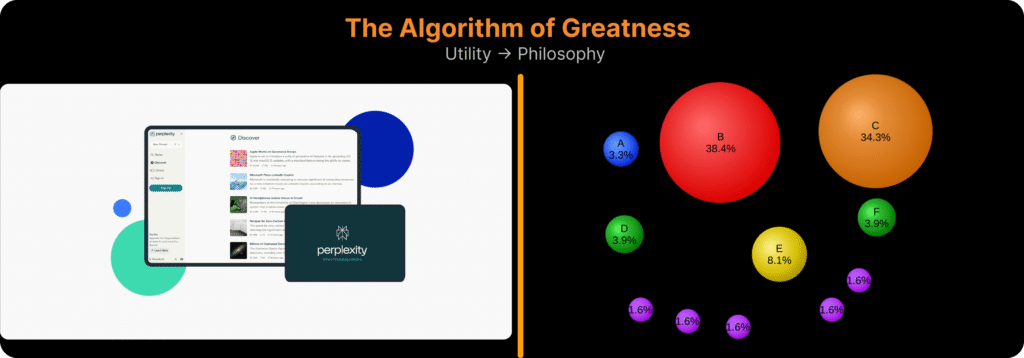
A split-screen conceptual illustration showing a traditional grey search interface on the left transforming into a vibrant, golden data visualisation on the right, representing the shift from utility to high-performance curiosity.

The GOAT and the Machine: Why Perplexity’s Ronaldo Bet Marks the End of ‘Magic Box’ Marketing

Perplexity’s partnership with Cristiano Ronaldo isn’t just an ad; it’s a strategic pivot from selling “tech” to selling “greatness.” This analysis breaks down how the campaign leverages celebrity trust to kill the “hallucination” narrative, signals the death of prompt engineering, and why this marks the end of the “Magic Box” era of AI marketing.

The GOAT and the Machine: Why Perplexity’s Ronaldo Bet Marks the End of ‘Magic Box’ Marketing Read More »

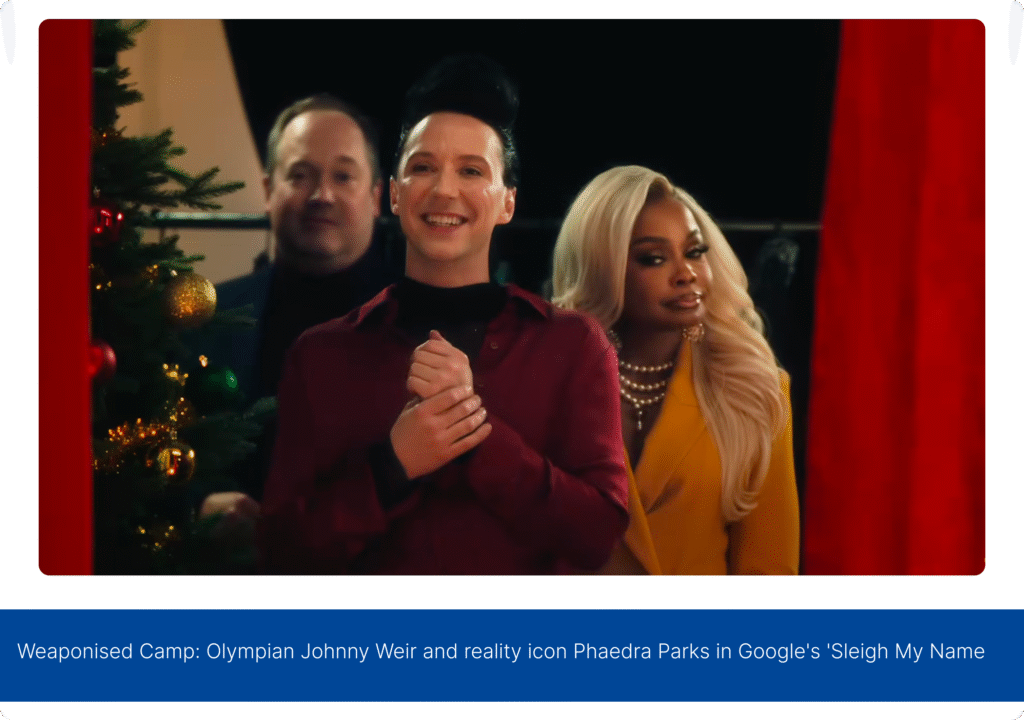
Johnny Weir in burgundy sweater smiling confidently, standing next to Phaedra Parks in yellow dress with skeptical expression, in front of festive red background with Christmas tree. Still from Google's 'Sleigh My Name' holiday ad.

The Era of “Look at the AI” is Dead. Long Live the Era of Camp.

By the time Johnny Weir appears on screen, clad in a sequinned blazer, looking for redemption in “Snowberry Falls,” you realise something fundamental has shifted. For three years, Big Tech screamed about Large Language Models and neural networks with sombre, cinematic adverts. Google has finally admitted defeat in the “features war” and opened a new front in the “culture war.” With Sleigh My Name, they’ve stopped explaining how the sausage is made. Instead, they’re serving it on a glittery platter with drag queens and reality TV stars. This isn’t just a funny advert. It signals the end of the “Tech Demo” era and the arrival of “Post-Hype” reality. Every marketer—whether selling SaaS or sparkling water—needs to dissect this campaign.

The Era of “Look at the AI” is Dead. Long Live the Era of Camp. Read More »

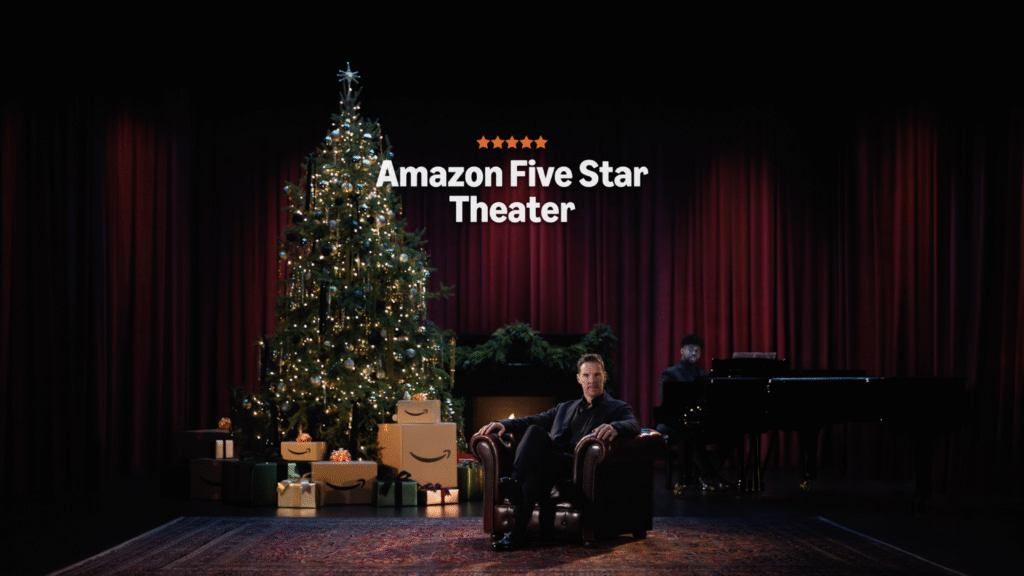
Benedict Cumberbatch sitting in a leather armchair on a theatrical stage with a Christmas tree and pianist, representing Amazon's Five Star Theater campaign. Title: Amazon Five Star Theater Campaign Visual

The Genius of Amazon’s “Five Star Theater”: Why Brands Are Finally Ditching the Glossy Act

Amazon’s “Five Star Theater” campaign represents a seismic shift in modern advertising. Rather than selling aspirations, the brand performs real customer reviews with theatrical intensity—transforming messy authenticity into marketing gold. This campaign works because audiences are exhausted by polished corporate messaging. They want to be seen, not sold to. The data backs this up: 90% of Gen Z prioritizes authenticity, 88% of consumers trust peer reviews over brand claims, and funny ads deliver 6x more brand lift than traditional spots. Amazon didn’t invent new content; it simply elevated what already existed—unfiltered testimonials from the reviews section—into strategic art. The result? A campaign that mocks influencer fakery, celebrates internet culture, and critiques advertising excess simultaneously. This signals the end of aspiration-based marketing and the beginning of recognition-based authenticity. The brands winning in 2025 aren’t trying harder. They’re trying differently.

The Genius of Amazon’s “Five Star Theater”: Why Brands Are Finally Ditching the Glossy Act Read More »

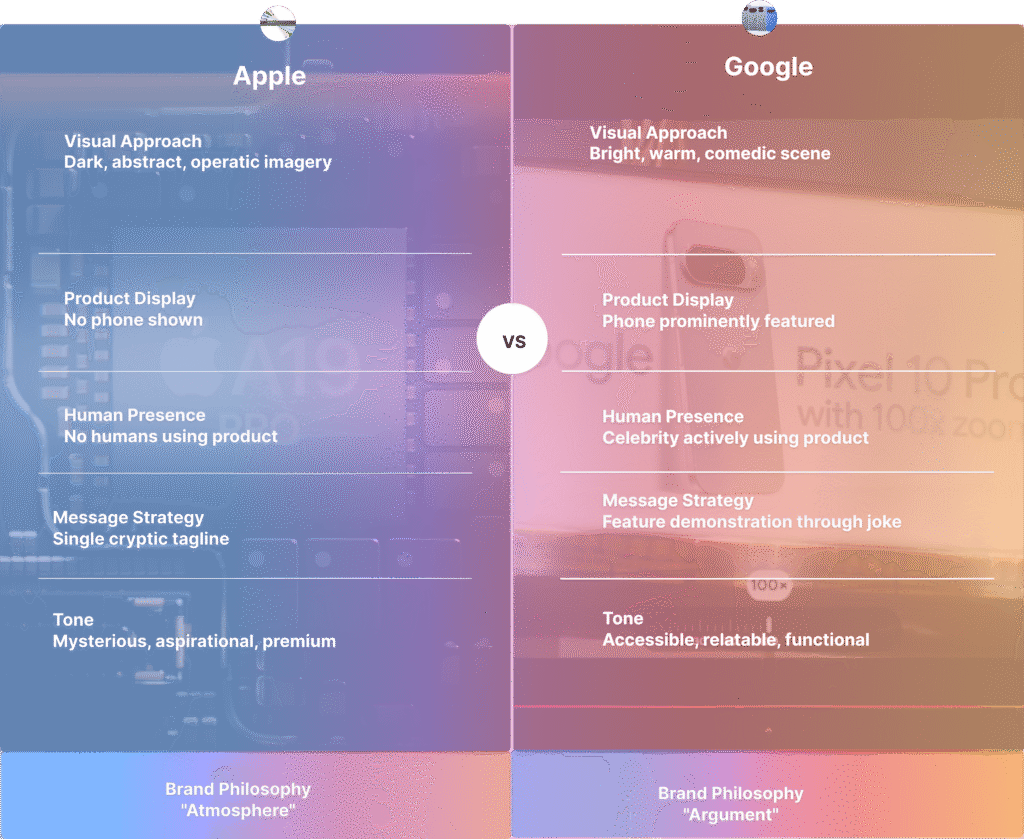
Split-screen comparison of Apple and Google advertising approaches: Apple side shows dark, abstract imagery with no phone and text reading 'Atmosphere'; Google side shows bright, comedic scene with phone featured and text reading 'Argument'

Apple Doesn’t Know You Exist. Google Wants You to Know It Knows.

Two smartphone ads dropped on the same day. Apple’s 65-second spot for the iPhone 17 Pro features men in dinner jackets performing surreal feats to an operatic crescendo, never once showing the phone in use. Google’s “It’s Pixel, Actually” reunites Thomas Brodie-Sangster and Martine McCutcheon from Love Actually to demonstrate the Pixel 10 Pro’s 100x zoom. These aren’t merely advertisements—they’re philosophical declarations answering a question every marketer confronts: Should you acknowledge your competitors, or pretend they don’t exist? The surprising truth? Both strategies are working. Apple advertises from overwhelming market power. Google advertises from rapid growth against a dominant incumbent. This article breaks down why opposite approaches both succeed, and what your brand should do about it.

Apple Doesn’t Know You Exist. Google Wants You to Know It Knows. Read More »

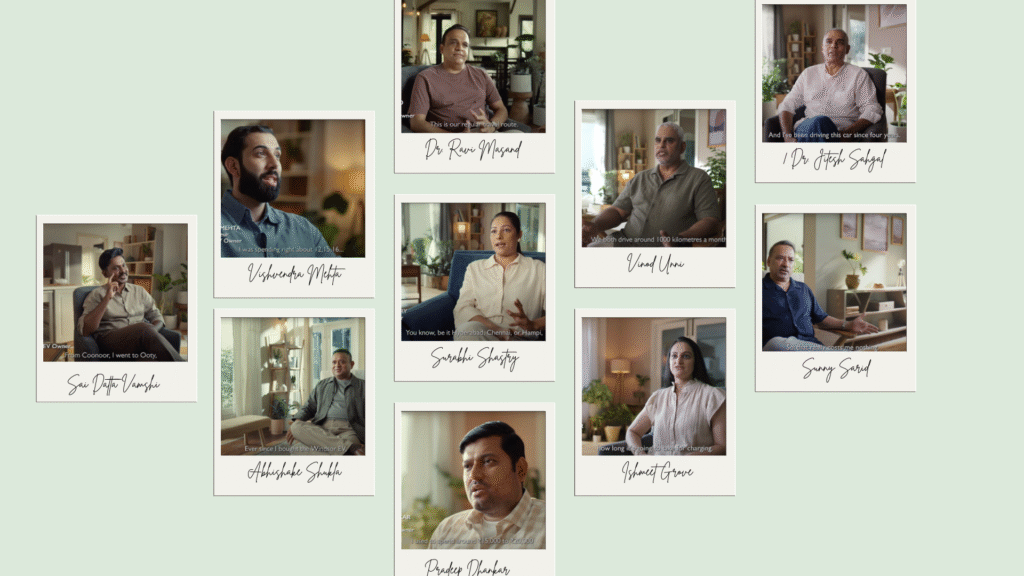
MG Motor EV Sahi Hai campaign testimonial collage featuring nine real customers sharing authentic electric vehicle experiences in their home and office environments

MG Motor’s “EV Sahi Hai” Campaign: A Strategic Deconstruction

MG Motor’s “EV Sahi Hai” campaign represents a masterclass in testimonial-driven marketing, systematically addressing India’s electric vehicle adoption barriers through authentic customer voices. Launched in August 2025, this strategic initiative employs real customer testimonials to tackle specific concerns: range anxiety, charging infrastructure, and running costs.

The campaign’s greatest strength lies in its authenticity—featuring unscripted testimonials with natural speech patterns and regional accents that resonate with Indian consumers. From Sai Datta Vamshi’s interstate journey to Dr. Jitesh Sahgal’s ₹10 lakh savings claim, each testimonial provides concrete evidence against EV scepticism.

However, the campaign exhibits notable vulnerabilities. Its predominantly urban demographic may inadvertently reinforce perceptions that EVs suit only metropolitan consumers. Most critically, it fails to address service infrastructure concerns—a significant adoption barrier identified in multiple studies.

The campaign succeeds in reducing consumer scepticism through strategic authenticity, but whether it translates into sustained market leadership depends on MG Motor’s ability to maintain testimonial quality whilst scaling consumer education across India’s diverse automotive landscape.

MG Motor’s “EV Sahi Hai” Campaign: A Strategic Deconstruction Read More »

Priyanka Raina in a cream waistcoat holding her infant son beside an array of Maate baby-care products displayed against a white backdrop

The Label-Reading Revolution

This in-depth analysis examines how Suresh and Priyanka Raina’s #EffectiveBabyCare×Maate campaign transformed a simple baby care product launch into a cultural movement about ingredient transparency and conscious parenting. Written in The New Yorker’s signature style, the piece dissects the strategic brilliance and potential pitfalls of founder-led marketing, exploring how the campaign capitalised on millennial parents’ research obsessions while addressing their blind spots in baby care product selection.

The article reveals how Maate’s authenticity-driven approach—combining cricket celebrity credibility with entrepreneurial expertise—successfully bridged traditional Indian Ayurvedic wisdom and modern safety standards. Through detailed analysis of their digital storytelling techniques, cultural positioning, and competitive landscape, the piece offers valuable insights for digital marketers seeking to balance authentic brand building with measurable performance outcomes in an increasingly skeptical consumer environment.

The Label-Reading Revolution Read More »

Scroll to Top