
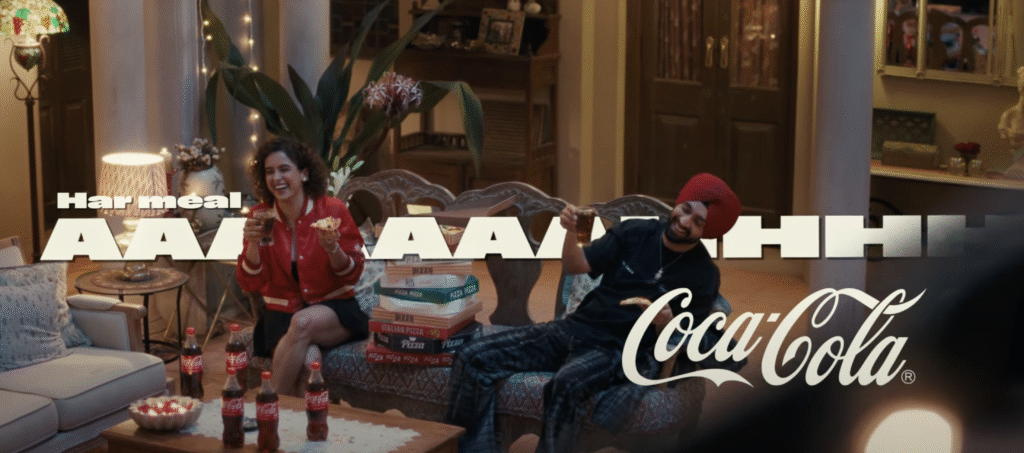
The campaign isn’t revolutionary. It’s evolutionary—and that’s both its greatest strength and most glaring weakness. Let’s analyse what actually matters.
The Brilliant Strategy: Sound Branding Meets Cultural Hijacking
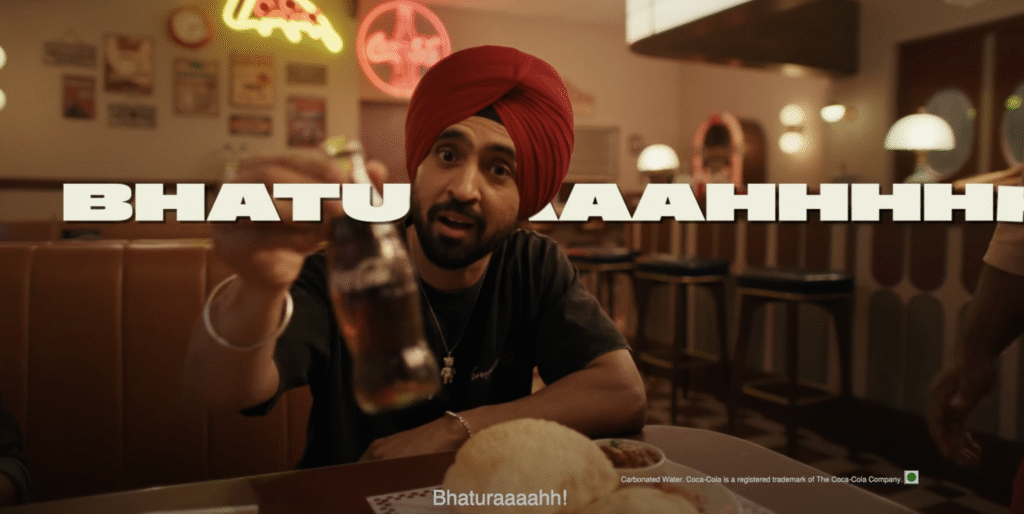
Coca-Cola’s decision to weaponise its signature “aaaah” sound demonstrates sophisticated understanding of sonic branding principles. The campaign transforms an existing brand asset—that universal satisfaction sound—into a linguistic virus designed to infect everyday conversation[1][2]. When college students naturally say “pizzaaaah” or “bhaturaaaah” in canteens, the brand achieves the marketing holy grail: organic cultural adoption without media spend.
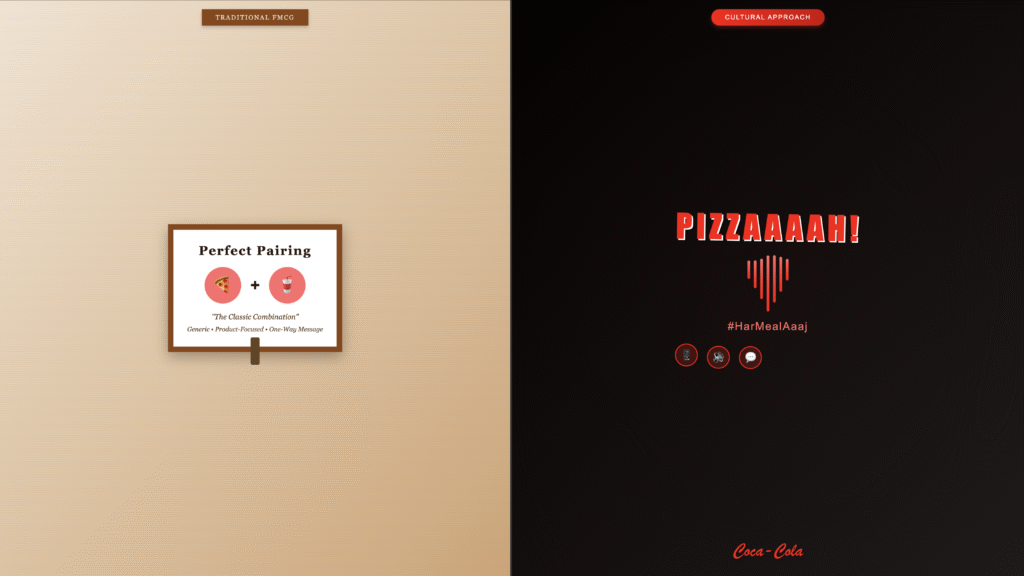
This approach reflects genuine cultural intelligence. Rather than imposing Western food-pairing concepts, Coke embraces distinctly Indian comfort foods. A similar challenge of cultural authenticity in FMCG branding has been explored in recent KitKat campaigns, where musical elements attempted to bridge generational gaps. The campaign acknowledges that Indian consumers don’t need education about Coke-with-pizza; they need permission to verbalise the satisfaction they already experience[3][4].
Diljit Dosanjh’s casting proves strategically astute. His authentic Punjabi drawl makes “bhaturaaaah” sound natural rather than manufactured. More importantly, his established relationship with Coca-Cola since 2022 creates genuine brand-celebrity synergy rather than transactional endorsement[5]. The importance of authentic celebrity-brand synergy becomes crucial when measuring campaign ROI beyond traditional metrics. At approximately ₹80 lakhs to ₹1 crore per campaign for celebrities of Diljit’s tier[6], this represents sophisticated investment in authentic personality alignment.
The Digital-First Distribution: Meme-Worthy by Design
Unlike traditional FMCG campaigns that prioritise mass media reach, Coca-Cola positioned these ads as shareable digital content. The campaign acknowledges a fundamental shift: organic social distribution often outperforms paid media in creating cultural moments[7][1]. This mirrors the people-powered marketing approach where brands prioritise authentic cultural embedding over traditional advertising metrics.
Early engagement metrics support this strategy. The campaign’s hashtag performance and user-generated content indicate successful transition from advertising copy to cultural language[8]. When consumers incorporate brand catchphrases into natural conversation, the campaign transcends traditional advertising effectiveness metrics.
The Critical Flaws: Where Strategy Meets Reality
Measurement Myopia: The biggest issue isn’t creative execution—it’s measurement methodology. Coca-Cola appears to be measuring this campaign using traditional metrics designed for mass-media pushes. But how do you quantify cultural embedding? Social media engagement rates for food and beverage brands typically hover around 3-8%, whilst conversion-focused campaigns aim for 1.8x to 2.4x ROAS[9]. This campaign operates in neither category effectively.
The brand needs cultural penetration metrics: Are consumers actually using these phrases organically? How frequently does “pizzaaaah” appear in user-generated content without brand prompting? Traditional ROI models fail here because the campaign’s true value lies in long-term cultural capital rather than immediate purchase intent[10]. This challenge of measuring authentic celebrity impact extends beyond traditional advertising effectiveness metrics[11].
Demographic Limitations: Despite Diljit’s broad appeal, the campaign skews heavily toward his core fanbase—primarily Punjabi-speaking, college-aged consumers[12]. This creates an authenticity paradox: the very specificity that makes the campaign culturally genuine also limits its demographic reach. Coca-Cola’s digital advertising represents 44% of India’s ₹49,000 crore digital ad spend[13], suggesting the brand can afford broader demographic targeting.
Sustainability Questions: The campaign’s success depends on maintaining catchphrase freshness. But linguistic novelty has a natural decay curve. How long before “pizzaaaah” feels forced rather than fun? Coca-Cola’s historical campaigns show the brand struggles with evolving successful formulas without losing their essential charm[14][15].
The Strategic Alternatives: What I’d Do Differently
Micro-Moment Activation: Instead of celebrity-driven ads, activate the campaign through location-based micro-content. Partner with food delivery apps to trigger “pizzaaaah” notifications when users order relevant combinations. Programmatic advertising in India is growing at 30% CAGR[16], making real-time contextual activation increasingly feasible.
Community-Generated Evolution: Rather than brand-created catchphrases, crowdsource regional variations. Let consumers in Tamil Nadu create “dosaaaah” or Bengal develop “fishaaaah.” This approach transforms the campaign from cultural appropriation to cultural collaboration.
Performance-Measurable Integration: Structure the campaign around trackable micro-conversions. Every “bhaturaaaah” moment should connect to quantifiable business outcomes—whether QR code scans, app downloads, or social shares. The importance of balancing brand building with performance metrics becomes crucial in contemporary digital marketing landscapes. Food and beverage campaigns typically achieve 4-6% engagement rates when properly incentivised[17][9].
The Industry Context: Why This Matters Now
India’s digital advertising reached ₹49,000 crore in FY2025, with mobile platforms commanding 78% of digital spend[13]. Within this ecosystem, FMCG brands compete for attention against performance-driven eCommerce players who optimise every rupee for measurable returns.
Coca-Cola’s approach represents a philosophical divide in contemporary marketing: brand building versus performance marketing. The campaign prioritises emotional connection over conversion tracking, cultural moments over click-through rates. This strategy makes sense for a heritage brand with established market presence, but raises questions about budget allocation efficiency.
Celebrity endorsement costs in India range from ₹15 lakhs for regional stars to ₹10+ crores for A-listers[6][18]. Diljit’s positioning in the ₹80 lakh to ₹1 crore range suggests strong value for reach and authenticity. However, ROI measurement for celebrity campaigns remains problematic, with most brands failing to establish direct correlation between star power and sales performance[19][20].
The Measurement Problem: Fixing What Doesn’t Work
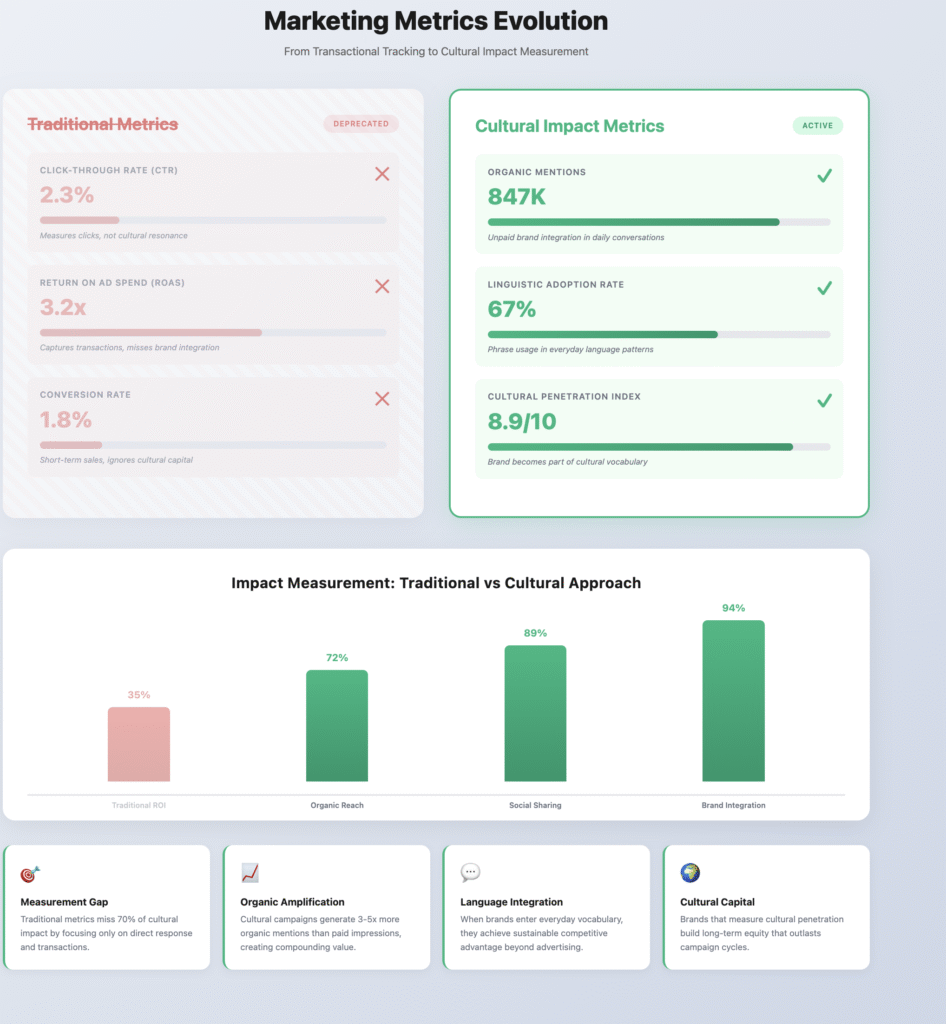
Traditional metrics fail this campaign because they measure immediate response rather than cultural penetration. The challenge of evaluating campaigns beyond traditional advertising measurement requires custom KPIs that acknowledge cultural embedding over conversion tracking. Coca-Cola needs custom KPIs: linguistic adoption rates, organic mention velocity, cultural context analysis. Social listening tools should track unprompted usage of campaign terminology in consumer conversations.
Attribution complexity represents another challenge. When someone orders pizza and Coke together, was that influenced by “pizzaaaah” messaging, existing habits, or contextual pairing preferences? Cross-device attribution technologies[16] can help, but require campaign design that acknowledges measurement limitations from launch.
Long-term brand equity measurement matters more than short-term conversion tracking. The campaign’s success should be measured against increased brand consideration during meal occasions, strengthened food-pairing associations, and cultural presence in organic consumer content.
The Verdict: Strategic Sophistication Undermined by Execution Gaps
Coca-Cola’s “Har Meal Aaaah” campaign demonstrates sophisticated strategic thinking: sound branding evolution, cultural integration, digital-native distribution. The brand correctly identifies that modern campaigns succeed through cultural embedding rather than media domination.
However, execution gaps undermine strategic intelligence. Measurement frameworks remain anchored in traditional advertising models rather than cultural campaign realities. Demographic reach limitations constrain the campaign’s scalability. Sustainability concerns around linguistic novelty suggest short-term thinking disguised as cultural strategy.
The broader lesson: As Indian digital advertising matures, brands must evolve measurement methodologies alongside creative strategies.
Cultural campaigns require cultural metrics. Sonic branding needs sonic measurement. Meme-worthy content demands meme-tracking capabilities.
Coca-Cola gets credit for strategic ambition and cultural sensitivity. But the campaign’s ultimate success will depend on the brand’s ability to measure what actually matters rather than what’s traditionally tracked. In 2025’s data-driven marketing landscape, that distinction determines the difference between genuine cultural impact and expensive creative indulgence.
The campaign works. The measurement doesn’t. Fix the latter, and you’ve got a blueprint for cultural marketing that actually scales. However, the distinction between genuine cultural communication and product marketing remains critical for long-term brand success.
References:
[1] https://www.medianews4u.com/coca-cola-new-campaign-redefines-mealtime-joy-with-the-signature-aaah/
[2] https://marketingmoves.in/campaign-coverage/coke-and-bhaturaaaah-how-diljit-dosanjh-turns-food-into-a-brand-story
[3] https://www.marketingmoves.in/campaign-coverage/coke-and-bhaturaaaah-how-diljit-dosanjh-turns-food-into-a-brand-story
[4] https://madaboutmarketing.com/advertising/coke-bhaturaaaah-how-diljit-dosanjh-turns-canteen-food-into-a-brand-story/
[5] https://bookingagentinfo.com/celebrity/diljit-dosanjh/endorsements/
[6] https://www.tring.co.in/brands/celebrity-endorsement-price-list
[7] https://www.adgully.com/post/7545/coca-colas-new-campaign-turns-up-the-aaaaaah
[8] https://www.mediainfoline.com/advertising/coca-colas-new-campaign-turns-up-the-aaaaaah
[9] https://trymesha.com/benchmark/facebook/cpm-food-and-beverage/
[10] https://hobo.video/blog/measuring-roi-in-influencer-marketing-campaigns-in-india/
[11] https://www.grynow.in/blog/how-to-measure-and-maximize-your-influencer-marketing-roi.html
[12] https://www.tring.co.in/celebrity-endorsements/diljit-dosanjh-brand-ambassador-list
[13] https://www.ipsos.com/en-in/state-digital-marketing-india-2025-26
[14] https://www.goybo.com/post/coca-cola-the-success-of-coca-cola-s-digital-engagement-strategy-goybo
[15] https://www.bevindustry.com/articles/86349-coca-cola-reaches-out-to-teens-with-the-ahh-effect-campaign
[16] https://mdsp.co/blog/programmatic-advertising-in-india-the-roadmap-to-2025-and-beyond
[17] https://www.taboola.com/documents/food-benchmark-report.pdf
[18] https://skyevents.in/corporate-tours/f/bollywood-celebrity-brand-endorsement-price-list-2021
[19] https://reputationtoday.in/star-power-and-storytelling-navigating-the-celebrity-endorsement-game-in-india/
[20] https://www.rajivgopinath.com/real-time/next-gen-media-and-marketing/the-fusion-of-entertainment-and-marketing/influencer-collaborations-and-celebrity-endorsements/the-economics-of-celebrity-endorsements-in-modern-marketing