Blog

Made by Google 2025 official promotional image showing Pixel phones, Pixel Watch, and Pixel Buds product lineup on minimalist background

The Manufactured Spectacle: How Google’s 2025 Pixel Launch Became a Masterclass in Missing the Point

Google’s Made by Google 2025 event promised revolutionary innovation but delivered forced entertainment. With Jimmy Fallon as ringmaster and celebrities queued like a talk-show green room, the company managed to obscure incremental improvements behind manufactured flair. What does this misstep reveal about Google’s deeper strategic anxieties—and what can digital marketing professionals learn from watching a tech giant perform catch-up in broad daylight?

The Manufactured Spectacle: How Google’s 2025 Pixel Launch Became a Masterclass in Missing the Point Read More »

Overhead view of professional workspace with Apple iMac, MacBook Pro, iPad, wireless keyboard and mouse on wooden desk showing calendar and productivity applications

The Pixel Paradox: Dispatches from a Digital Native’s Divided Loyalty

I write this on my MacBook Pro, but I’ll search for sources using Google. I’ll analyse the data through Claude, cross-reference findings on Perplexity AI, and probably end up using ChatGPT to distil complex market dynamics into digestible insights. My iPhone sits charging beside my iPad, whilst Microsoft Office hums in the background—because, let’s face it, nobody’s found a better alternative for collaborative editing yet.

This isn’t hypocrisy so much as pragmatism. As a digital marketing and communications professional who’s spent the better part of a decade watching the tech industry’s great performance, I’ve learned that the technology we champion isn’t always the technology we depend upon.

Tonight, as Google stages its spectacular Made by Google event in Brooklyn—complete with Jimmy Fallon’s polished banter and a celebrity roster that reads like a talk show host’s fever dream—I find myself contemplating the curious mathematics of desire, loyalty, and market reality that define our digitally native existence.

The Pixel Paradox: Dispatches from a Digital Native’s Divided Loyalty Read More »

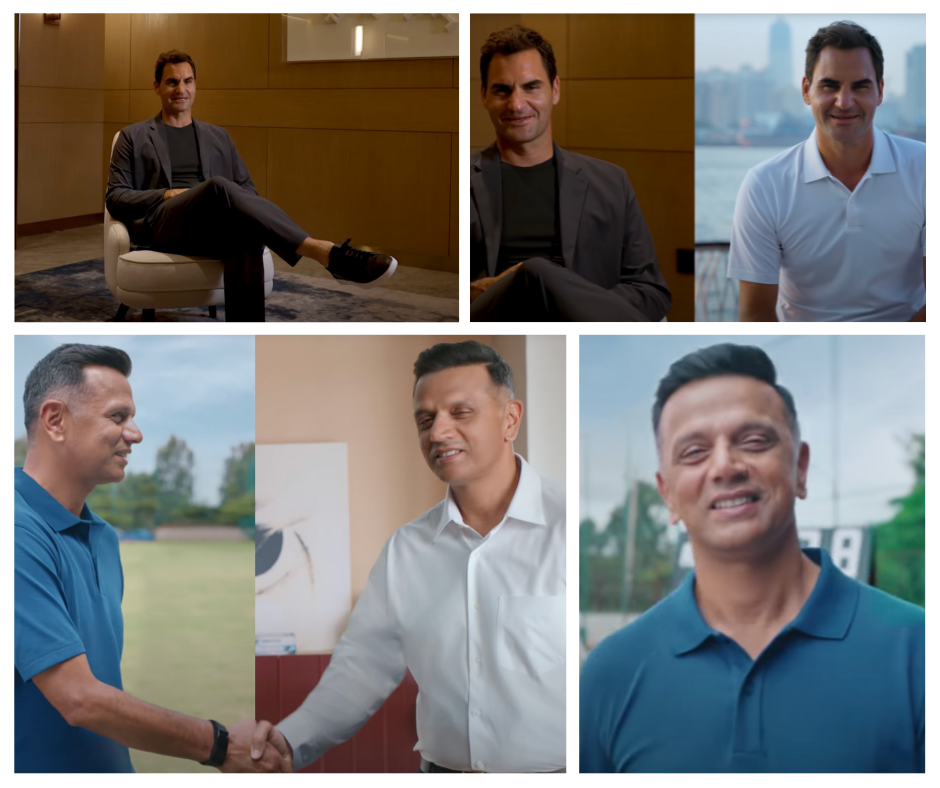
A collage of five panels featuring two distinct men in various settings—one seated stylishly in an elegant room dressed in a dark suit, the other in a crisp blue polo and white shirt, depicted in casual and more formal situations, including a handshake and an outdoor sports field, highlighting contrasting moods and contemporary fashion.

Dependable Disruptions: How Federer, Dravid, and India’s Infinite Scroll Are Reinventing Fashion Advertising

In the age of Reels and Shorts, the clash between Federer’s muted elegance and Dravid’s earnest reliability becomes a masterclass in how global brands must adapt their storytelling for India’s digital republic—where authenticity, relatability, and scroll-stopping nuance are more than just marketing lingo; they’re the new rules of engagement.

Dependable Disruptions: How Federer, Dravid, and India’s Infinite Scroll Are Reinventing Fashion Advertising Read More »

Soorahi whisky compass on vintage India map with tagline "The journey to unknown beauty has begun" representing Spirit of Discovery campaign

Poetry, Surrogacy and the Loneliness of Branding: A Sober Reading of Soorahi’s “Spirit of Discovery” and India’s Spirits Heavyweights

In a landscape where law renders alcohol invisible, Soorahi’s “Spirit of Discovery” campaign dares to make poetry its compass. Trading in metaphor rather than merchandise, the brand crafts an evocative narrative—casting whisky as a companion for the curious and the restless, not merely another product on the shelf. Yet, as India’s spirits heavyweights thunder forward with surrogate spectacle, Soorahi’s lyrical restraint poses a question: Does subtlety spark memory in a marketplace built on recall, or does it risk fading—beautifully, quietly—into obscurity?

Poetry, Surrogacy and the Loneliness of Branding: A Sober Reading of Soorahi’s “Spirit of Discovery” and India’s Spirits Heavyweights Read More »

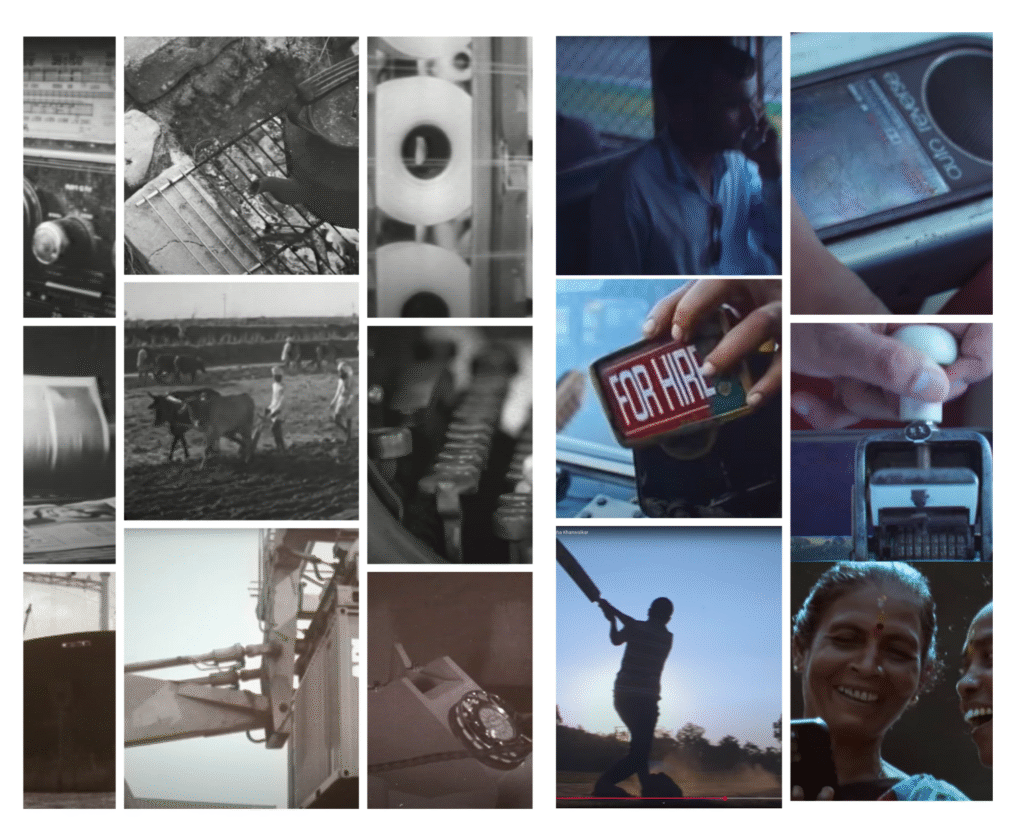
Vertical collage juxtaposing vintage and modern Indian scenes, blending black-and-white Doordarshan-era motifs with contemporary images inspired by SBI General’s Sound Symphony campaign.

When the National Anthem Becomes a Ringtone: The Troubling Arc of SBI General’s Sound Symphony

In the August of 2025, SBI General Insurance—a subsidiary of State Bank of India, the nation’s largest public sector undertaking—commissioned Sneha Khanwalkar to reimagine the national anthem through India’s sonic journey. The result echoes the earnest patriotism of Doordarshan’s golden era, but strips away the sincerity that made classics like Mile Sur Mera Tumhara cultural touchstones. What makes this appropriation particularly troubling is SBI’s status as a government-owned institution with 500 million customers and 57.51% public ownership. When such an entity enlists the anthem for subsidiary insurance marketing, it transforms from corporate overreach into institutional cultural colonisation—commodifying not just heritage, but citizenship itself.

When the National Anthem Becomes a Ringtone: The Troubling Arc of SBI General’s Sound Symphony Read More »

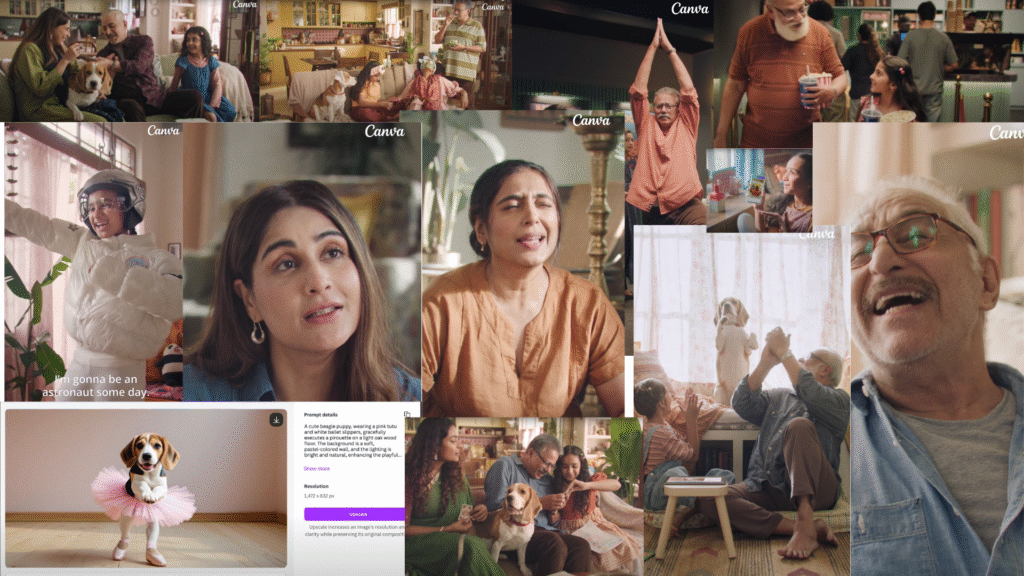
Canva India Dil Se Design Tak campaign montage featuring Dalip Tahil as grandfather magician with family members across multiple advertisement scenes showcasing AI design tools and emotional storytelling

The Canva Campaign Canvas: A Critical Deconstruction of ‘Dil Se Design Tak’

Canva’s ambitious ‘Dil Se Design Tak’ campaign positions itself as emotional storytelling meets technical prowess, yet beneath the polished surface lies a case study in creative conservatism. Through veteran actor Dalip Tahil’s portrayal of a grandfather whose magic tricks pale beside his granddaughter’s digital creativity, the campaign cleverly subverts expectations whilst remaining disappointingly safe.

This comprehensive analysis examines not just the flagship ‘Jaadu Dadu’ narrative, but the complete campaign ecosystem—from AI tool demonstrations to workplace dynamics—revealing how even sophisticated brand communication can prioritise execution over experimentation. For a platform dedicated to democratising creativity, the work paradoxically avoids the creative risks it ostensibly champions.

The Canva Campaign Canvas: A Critical Deconstruction of ‘Dil Se Design Tak’ Read More »

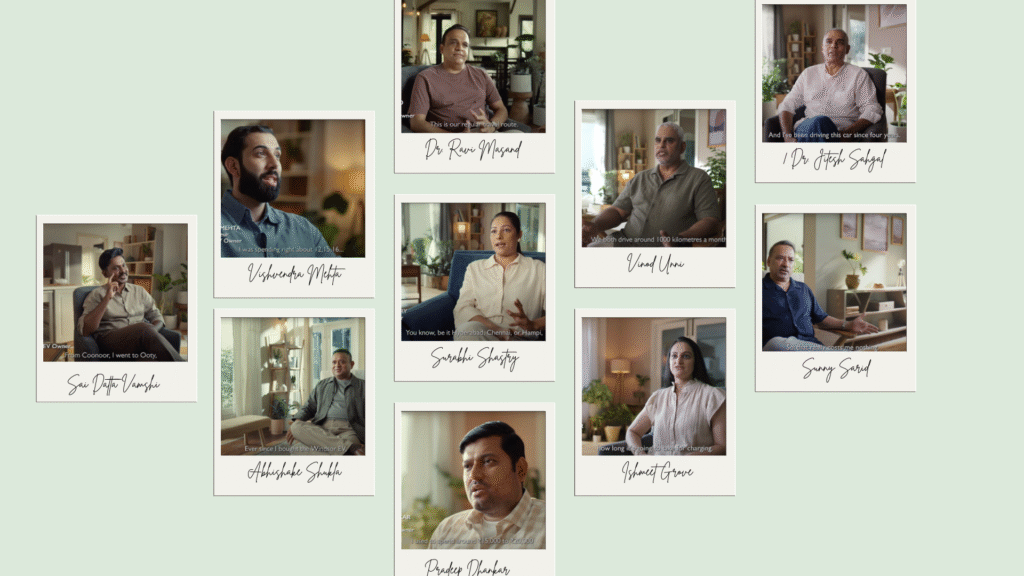
MG Motor EV Sahi Hai campaign testimonial collage featuring nine real customers sharing authentic electric vehicle experiences in their home and office environments

MG Motor’s “EV Sahi Hai” Campaign: A Strategic Deconstruction

MG Motor’s “EV Sahi Hai” campaign represents a masterclass in testimonial-driven marketing, systematically addressing India’s electric vehicle adoption barriers through authentic customer voices. Launched in August 2025, this strategic initiative employs real customer testimonials to tackle specific concerns: range anxiety, charging infrastructure, and running costs.

The campaign’s greatest strength lies in its authenticity—featuring unscripted testimonials with natural speech patterns and regional accents that resonate with Indian consumers. From Sai Datta Vamshi’s interstate journey to Dr. Jitesh Sahgal’s ₹10 lakh savings claim, each testimonial provides concrete evidence against EV scepticism.

However, the campaign exhibits notable vulnerabilities. Its predominantly urban demographic may inadvertently reinforce perceptions that EVs suit only metropolitan consumers. Most critically, it fails to address service infrastructure concerns—a significant adoption barrier identified in multiple studies.

The campaign succeeds in reducing consumer scepticism through strategic authenticity, but whether it translates into sustained market leadership depends on MG Motor’s ability to maintain testimonial quality whilst scaling consumer education across India’s diverse automotive landscape.


MG Motor’s “EV Sahi Hai” Campaign: A Strategic Deconstruction Read More »

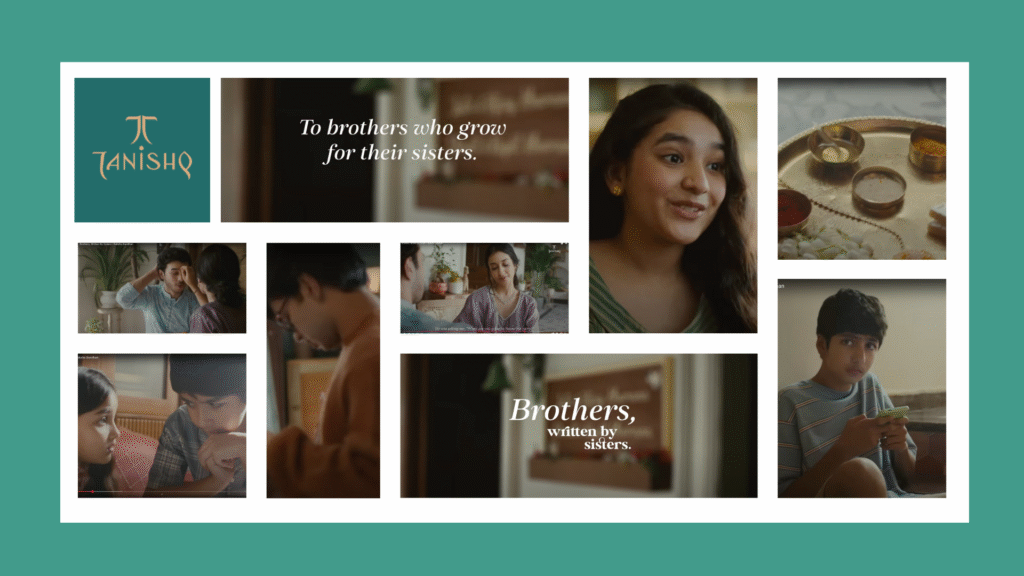
Collage of family and sibling moments from Tanishq’s Raksha Bandhan ad campaign, with jewellery, rakhis, and household rituals.

How a Raksha Bandhan Campaign Quietly Redefined Gender Roles in Indian Advertising

In Tanishq’s “Brothers, Written by Sisters” Raksha Bandhan campaign, everyday moments—like sharing household chores, updating a family nameplate, and challenging gender roles—become acts of gentle rebellion. The campaign weaves these lived realities into a reimagining of classic rituals, offering a nuanced vision of equality and siblinghood for modern India.

How a Raksha Bandhan Campaign Quietly Redefined Gender Roles in Indian Advertising Read More »

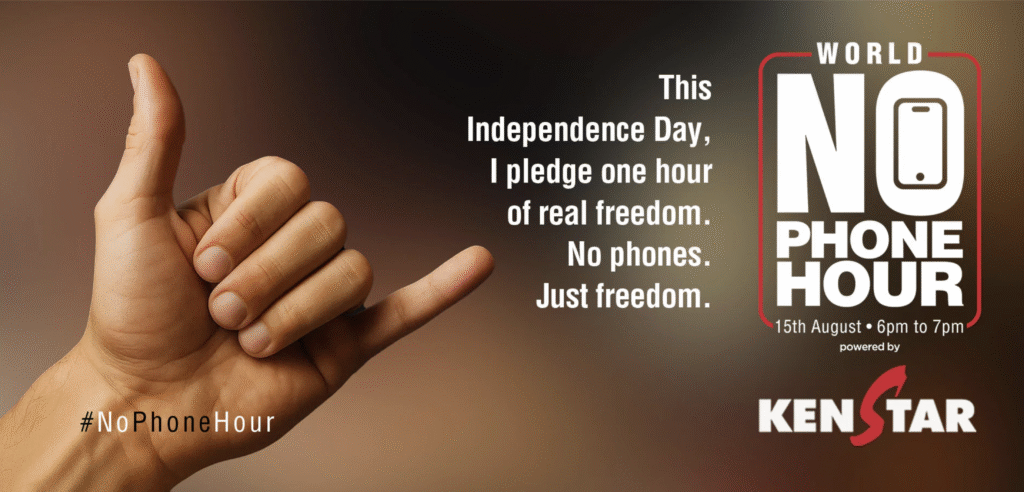
Kenstar No Phone Hour Independence Day campaign creative featuring hand gesture replacing phone with text 'This Independence Day, I pledge one hour of real freedom

The Great Disconnect: How Kenstar Turned Independence Day Into a Masterclass in Marketing Paradox

Yesterday or the day before, as Kenstar unveiled its “No Phone Hour” campaign for Independence Day, the irony wasn’t lost on anyone—least of all the home appliances brand that had just executed one of the year’s most fascinating exercises in cognitive dissonance. The brand asks Indians to pledge digital abstinence through digital means, to celebrate freedom by logging off, to reconnect by first connecting to their website. Welcome to the authenticity paradox of contemporary marketing, where the medium inevitably devours the message, and yet somehow, the entire enterprise works brilliantly.

The Great Disconnect: How Kenstar Turned Independence Day Into a Masterclass in Marketing Paradox Read More »

Scroll to Top