
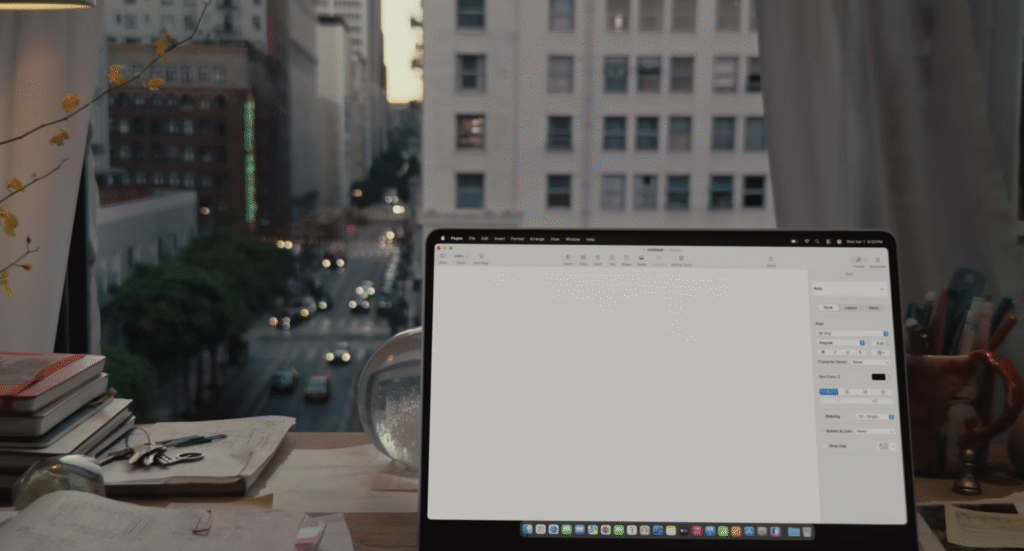
Apple’s latest campaign, “Great Ideas Start on Mac,” feels like the opening act for the world’s most risk-averse band. Yes, the visuals are mesmerising. The music is subtle, the editing crisp, the narration—via the late Jane Goodall—almost regal. Yet beneath the surface lies an absence: the kind of conviction and storytelling that once made Apple adverts essential viewing, not just pleasant wallpaper.
Has Apple Lost Its Nerve?
Back in the ’90s, Apple did things differently. “Think Different” was an invitation to rebel, not just another piece of corporate branding. By contrast, Apple’s current approach looks almost shy. The company has pulled four adverts from circulation in 2025 alone. Some were removed over minor criticism, as if the mere hint of online backlash were a threat to creative integrity. The legendary “1984” spot ran despite being called ‘dystopian’—a risk that paid off with decades of brand loyalty. Now, Apple retreats.
This pattern isn’t new. Earlier this year, Apple’s iPhone 17 Pro marketing campaign showed similar tensions between emotional storytelling and strategic clarity. The company knows how to craft beautiful narratives, but increasingly struggles to marry them with authentic value propositions.
The Jane Goodall Dilemma: Authenticity or Theatre?
This ad’s most notable choice is its narrator. By using Jane Goodall’s voice, recorded before her death, Apple attempts to borrow the gravity of a genuine icon. It’s a high-wire act between respect and exploitation. Goodall never worked in computing. She’s famous for revolutionising how we view primates, not software. Her presence bestows gravitas, but does it ring true? Ethicists and consumers remain divided on the wisdom—and taste—of necro-advertising, even when the estate approves.1
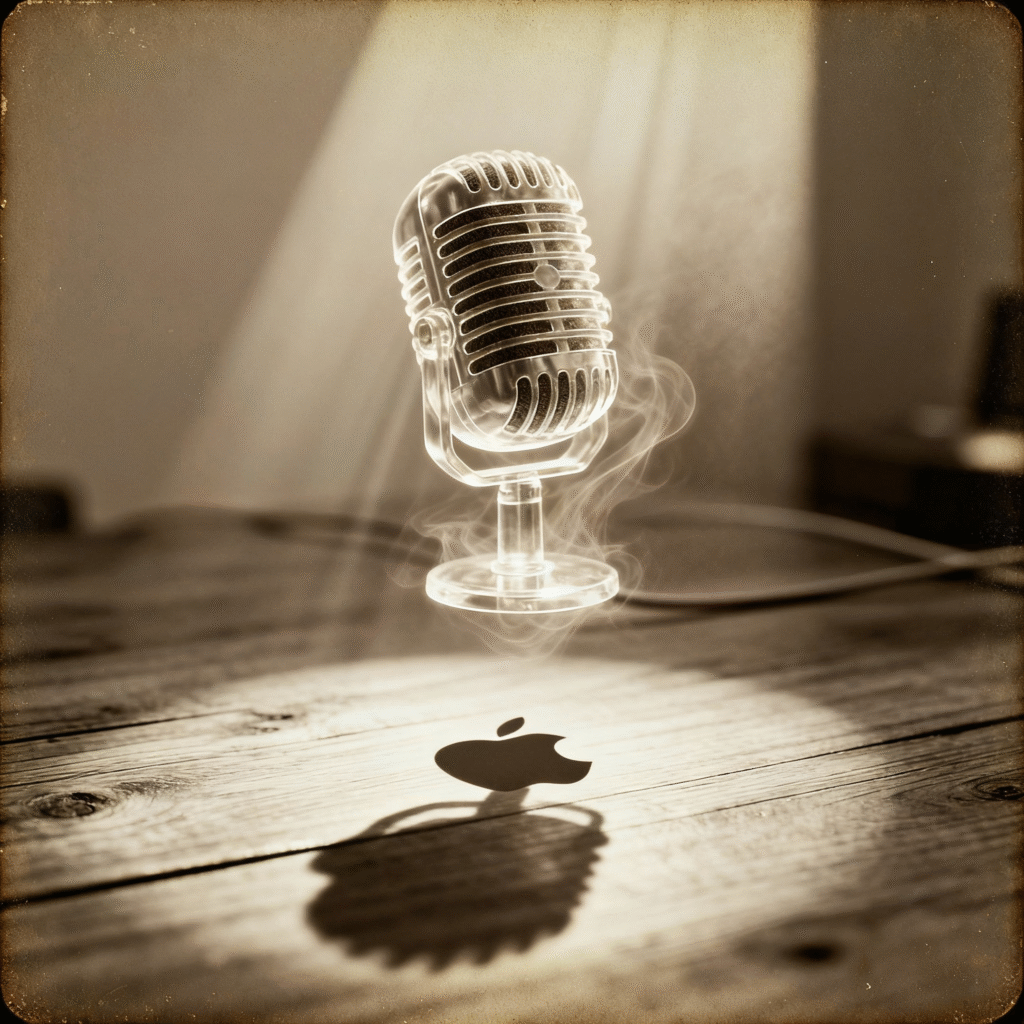
Apple has walked this tightrope before. When examining the brand’s accessibility advertising campaigns, we see a similar tension: does the company genuinely champion marginalised voices, or merely borrow their credibility for brand equity?
Minimalism’s Messy Truth
Minimalism is Apple’s visual backbone, but its function is to clarify ideas, not hide them.
In this campaign, we see the cursor blinking, the white screen, and a series of creators—engineers, designers, activists. Missing, however, is any account of what using a Mac feels like in the trenches. There’s no tension, no failure, just a sanitised journey from blank screen to brilliance. Research shows minimalist ads do work, but only when they centre a sharp message; otherwise, viewers switch off.2
The Emotional Payoff—Or Lack Thereof
Let’s get this out of the way: emotional advertising works. Industry studies say emotionally resonant campaigns are twice as effective over three years as rational ones.3
Apple tries to tap into this, but the connection between claim (“great ideas start”) and proof is glossed over.
Real users—like Alice Wong, who leverages Mac accessibility features for her advocacy—are in the mix, but their struggles, frustrations, and breakthroughs are left out. We’re shown triumph, not journey, which flattens emotional impact.
What Are We Meant to Do?
Here’s where things get fuzzy: what does Apple want the audience to feel, do, or believe after watching? The ad’s call-to-action is buried beneath panegyric. Buy a Mac? Feel like a visionary? Support conservation? Pick one.
A well-crafted story moves people to act. A vague story persuades them to forget. The 2025 campaign floats somewhere in the middle.
The Risk of Bland Perfection
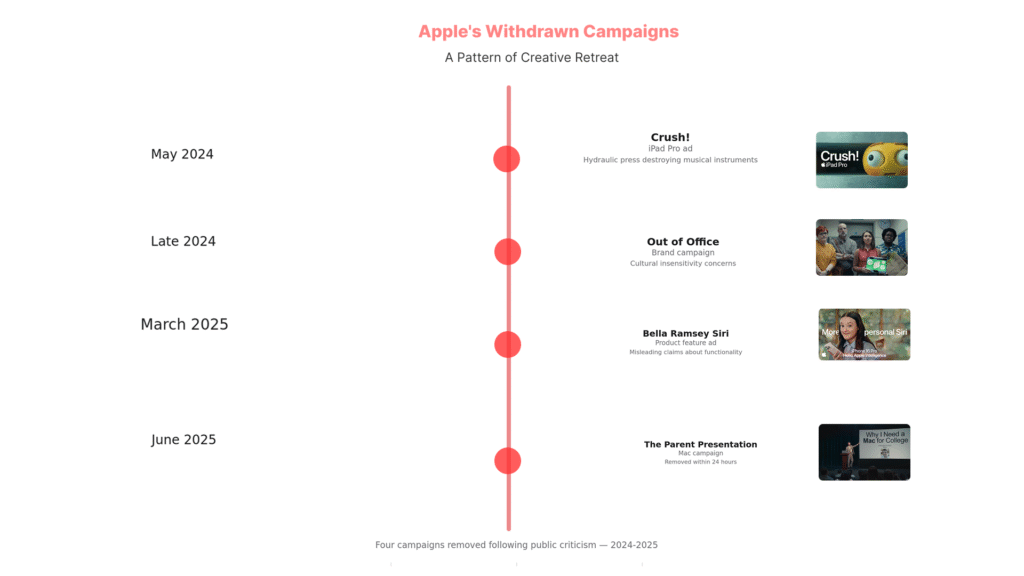
Apple’s problem is not creative impotence but creative paranoia. As backlash grows swifter on social media, the company’s response is to pull adverts at the first sign of trouble. In doing so, it inadvertently erodes what made its brand outside the mainstream. As one industry executive said, “Apple used to set the pace. Now it checks the temperature.”4
Compare this to the “Shot on iPhone” campaign: running for nearly a decade, it unites user stories with remarkable technology. Its endurance builds credibility—precisely because Apple kept faith with its audience, even when the mood shifted.
Moreover, when Apple does take creative risks—however questionable—the results are memorable. The brand’s controversial use of the CrowdStrike BSOD incident in its “Underdogs” campaign showed that Apple can still provoke conversation, even if the ethics remain murky.
From Audience to Community: What the Data Tells Us
Today, 86% of consumers want authenticity when choosing brands. Gen Z, especially, is quick to reward courage—and just as quick to punish artifice. The new campaign risks feeling like a museum piece: beautiful, but untethered from lived experience.5

If Apple wants to re-engage, it must ditch the safe tropes. Highlight the reality of using its products: late-night code debugging, accessibility features in action, music written and discarded, teams collaborating across continents. And stop borrowing authority from figures like Goodall (unless she’s actually building on a Mac).
The September smartphone marketing frenzy demonstrated how Apple’s competitors scramble to match the company’s cultural capital. Yet they all face the same challenge: in an age where products are increasingly indistinguishable, authentic storytelling matters more than production values.
Missed Connections: The Real Creators
Consider the people Apple briefly highlights. Bruce Strickrott’s research, Ruchika Sachdeva’s designs, Alice Wong’s advocacy—all rely on tech for connection. But the ad skips the grit of creation. Accessibility features have changed lives, but the campaign doesn’t invite viewers to experience them; it simply gestures.
This matters. Storytelling is most powerful at the “ground truth”—where the audience meets real struggle and success. Apple has thousands of stories waiting to be told. Now is the time to share them, not just parade them as brand trophies.
Genuine Advertising: Three Simple Fixes
Here’s what would help:
1. Illuminate, don’t obscure.
Minimalism is an invitation to clarity, not evasion. Start with the tough bits: failure, friction, breakthrough. Make viewers see themselves in the advert.
2. Use authentic voices.
Choose narrators invested in creation using a Mac. If you must borrow gravitas, explain the real connection.
3. Take managed risks.
Pulling ads too soon signals fear. Instead, own mistakes, iterate fast, and show learning. Audiences forgive honesty.
Why Now?
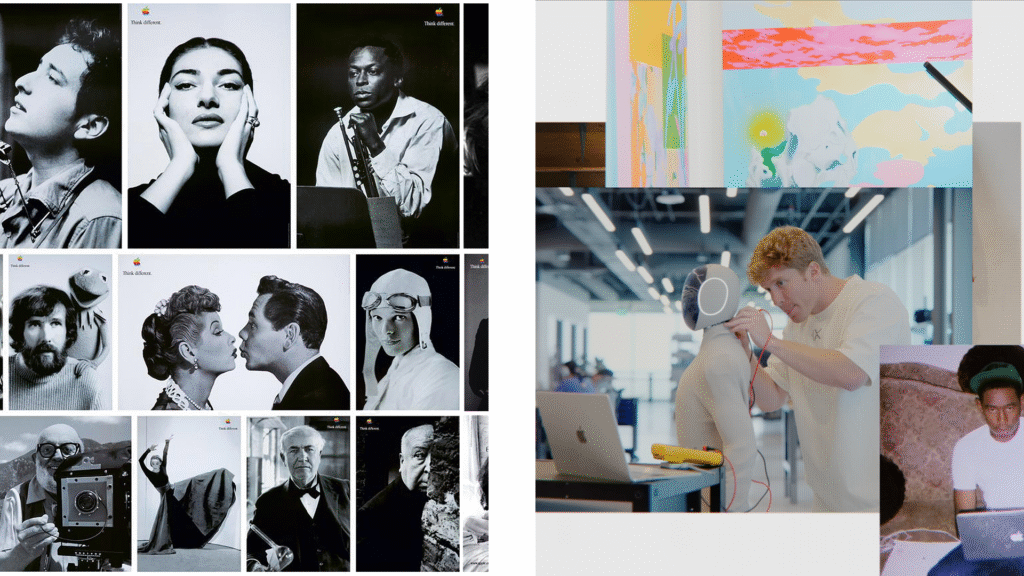
Apple’s creative retreat is an industry warning. If the market leader can’t embrace risk, expect a cascade: ad agencies play it safe, clients second-guess bold work, and creative teams lose freedom.
For marketers, the lesson is clear—courage is currency. Consumers want brands that stand for something beyond profit.
Global trends champion unvarnished storytelling. Brands that highlight struggle, experiment, and openness outperform those that play it safe. This isn’t just an ethical or philosophical stance—it drives sales and loyalty.6
Where Next? The Responsibility of Influence
Apple sits atop the tech pyramid. Its adverts shape not just buying decisions but the creative climate itself. 2025’s campaign is a reminder that polish alone can’t win the day.
Brave, truthful advertising—warts and all—is what resonates.
If Apple rediscovers its creative nerve, expect the rest of the industry to follow. Until then, our screens will be full of lovely, forgettable adverts disguised as inspiration.
Footnotes
- Marketing Interactive, “Making money off the dead: Is necro-advertising worth the risk?” 2024. https://www.marketing-interactive.com/making-money-off-the-dead-is-necroadvertising-worth-the-risk ↩
- IJIRT, “Effectiveness of minimalist advertising with Bangkok millennials,” http://ethesisarchive.library.tu.ac.th/thesis/2016/TU_2016_5802040815_6032_4544.pdf ↩
- Amra and Elma, “Best Emotional Marketing Statistics 2025.” https://www.amraandelma.com/emotional-marketing-statistics/ ↩
- Business Insider, “Apple Kills Another Ad Campaign. Why?” 2025. https://www.businessinsider.com/apple-ad-campaign-killed-again-martin-herlihy-snl-2025-6 ↩
- Digital Silk, “Top 40 Branding Statistics For 2025 To Shape Your Strategy,” 2025. https://www.digitalsilk.com/digital-trends/top-branding-statistics/ ↩
- Robotic Marketer, “Why Authenticity Beats Trends in 2025 Marketing.” https://www.roboticmarketer.com/why-authenticity-beats-trends-in-2025-marketing/ ↩